5-Axis CNC Milling — Prototype to Series Production
5-axis and 3-axis CNC machining for metals and engineering plastics - from complex geometries to tight-tolerance production runs.
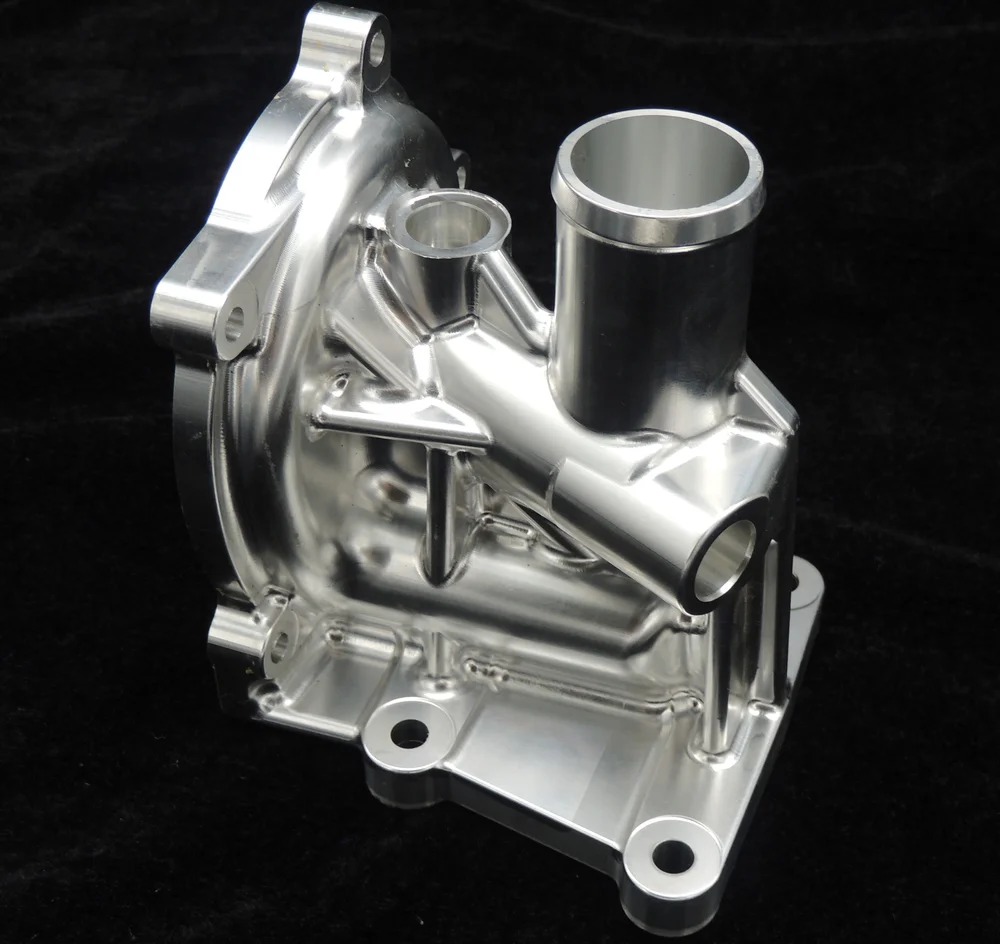
5-Axis Precision Milling for Prototyping & Production
JF Precision offers 5-axis and 3-axis CNC milling for metals and engineering plastics from its Shenzhen facility. Five-axis centres with machine strokes from 600–1000mm handle complex geometries, deep cavities, undercuts, and contoured surfaces that most shops decline. A dedicated 5-axis deep-hole drilling machine provides 1500mm stroke at 0.01mm precision. For parts requiring both turning and 5-axis milling, the facility produces components up to 2000mm in length. Engineering plastics — including POM, PEEK, PTFE, and medical-grade materials — are machined to ISO 2768-fH tolerance with hole tolerances matching metal Grade 7 standard. Profile tolerance of 0.01–0.03mm with Ra 0.8 surface finish is consistently achieved at production quantities. All parts are trial-assembled and inspected before shipment. In-house assembly combines metal and plastic components into finished sub-assemblies. Quote in 2–6 hours. MOQ: 1 piece. Before sending a drawing, see our design guide for custom CNC milled parts.
Machine stroke: 600–1000mm on 5-axis centres, using world-class precision equipment.
Deep hole drilling: 5-axis deep hole drilling machine with 1500mm stroke and 0.01mm precision.
Complex structures: Intricate geometries, deep cavities, undercuts, grooves, and contoured surfaces - including controlling deformation throughout the process.
Large turning + 5-axis: For prototypes requiring turning first, then 5-axis machining, we produce parts up to 2000mm in length.
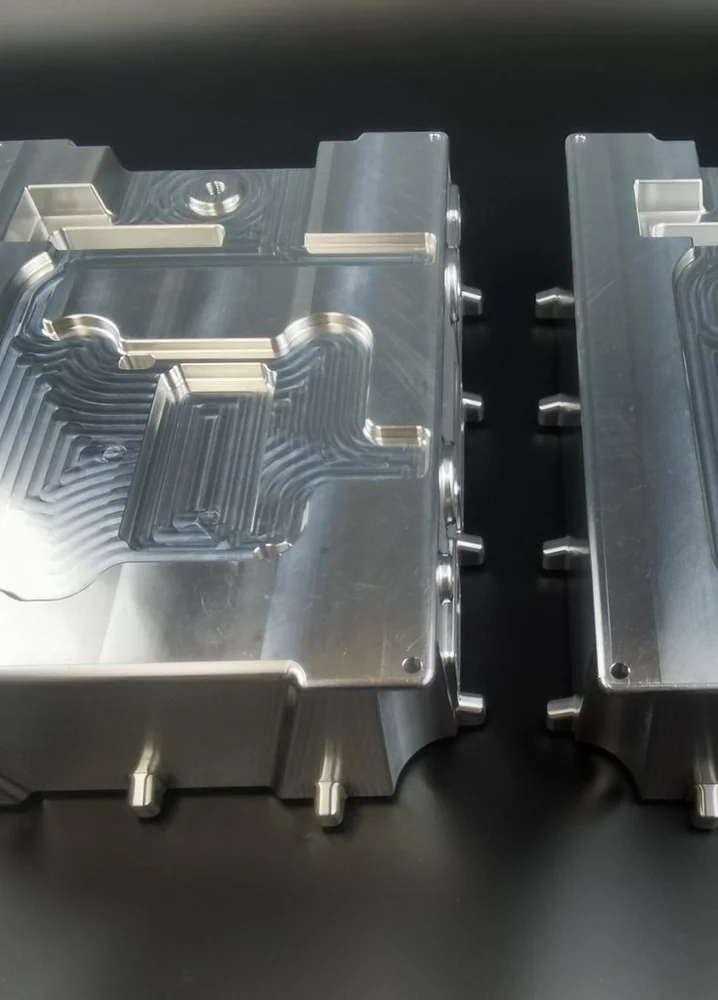
Deep Cavity Precision & Surface Finish Control
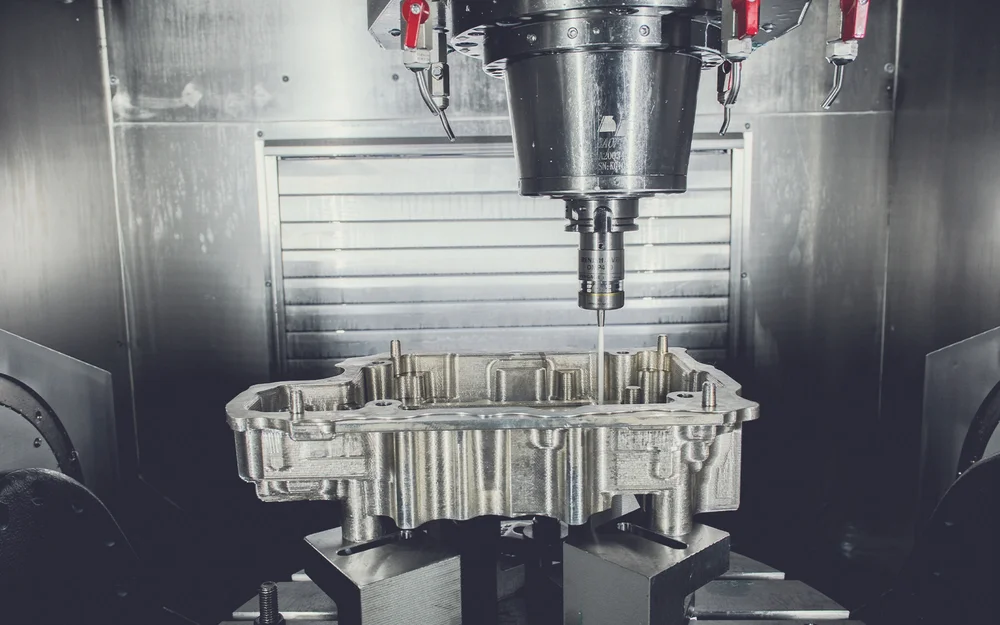
Deep cavity parts present a common challenge: steps and rough surfaces left during processing. Our approach uses shock-absorbing tooling matched to cavity depth, producing outer surfaces that meet both roughness and precision requirements simultaneously - with confirmed assembly fit.
Shock-absorbing tools selected per depth to eliminate step marks
Inner and outer surface roughness controlled in a single setup
Trial assembly performed before shipment — see our inspection capabilities
High-profile tolerance parts
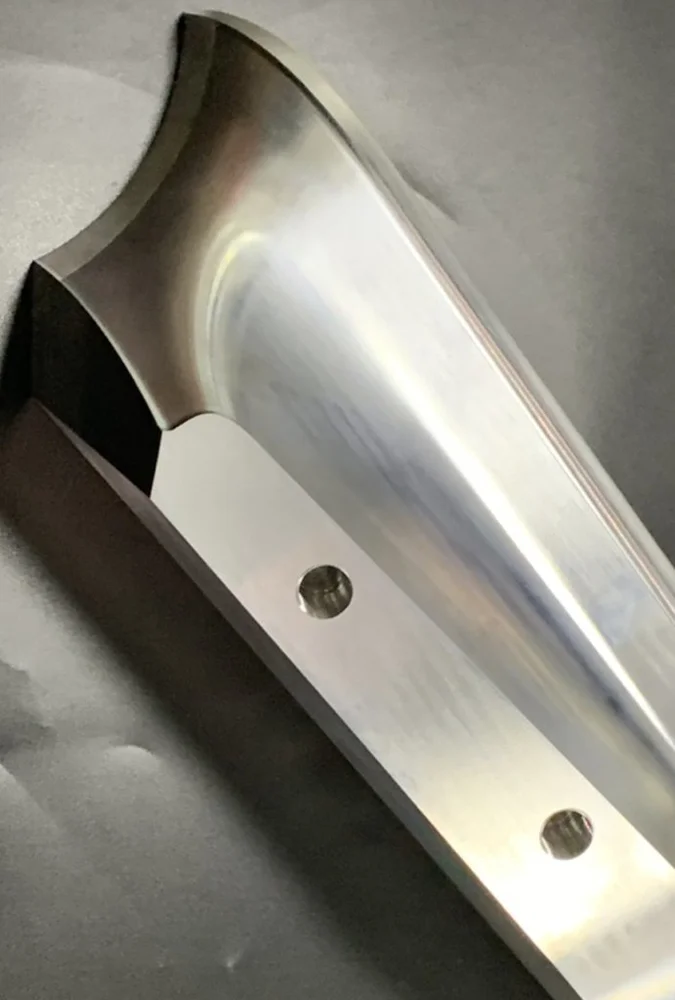
Parts with tight profile tolerance requirements across the entire surface tend to deform during machining — standard toolpaths cannot hold tolerance without intermediate stabilisation.
Controlled aging treatment applied during processing stabilises the material. Profile tolerance of 0.01–0.03mm with Ra 0.8 surface finish, consistently delivered at production quantities.
Can you machine engineering plastics to metal-grade accuracy?
Engineering plastics are notoriously difficult to machine to tight tolerances. Our approach treats plastic parts with the same rigour as metal, using dedicated aging treatment and controlled allowances to deliver consistent results.
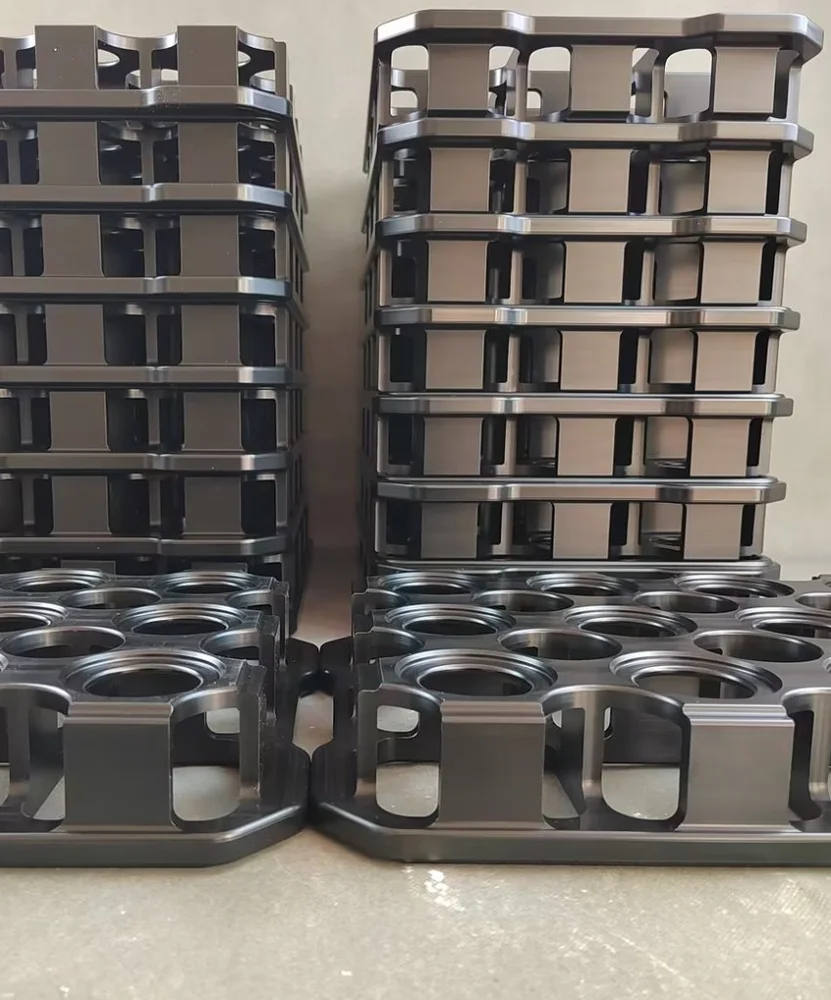
Precision plastic machining
ISO 2768-fH tolerance standard, with hole tolerances matching Grade 7 - the same as metal parts. Anti-deformation, medical-grade, and food-safe materials all available. Read more on CNC machining of POM, PEEK and PTFE.
Accuracy: ISO 2768-fH, hole tolerances to Grade 7 — same standard as metal parts.
Materials: Anti-deformation, medical-grade, and food-safe plastic materials all available.
Assembly: Full assembly service combining plastic and metal parts into finished sub-assemblies.
POM: Deformation control
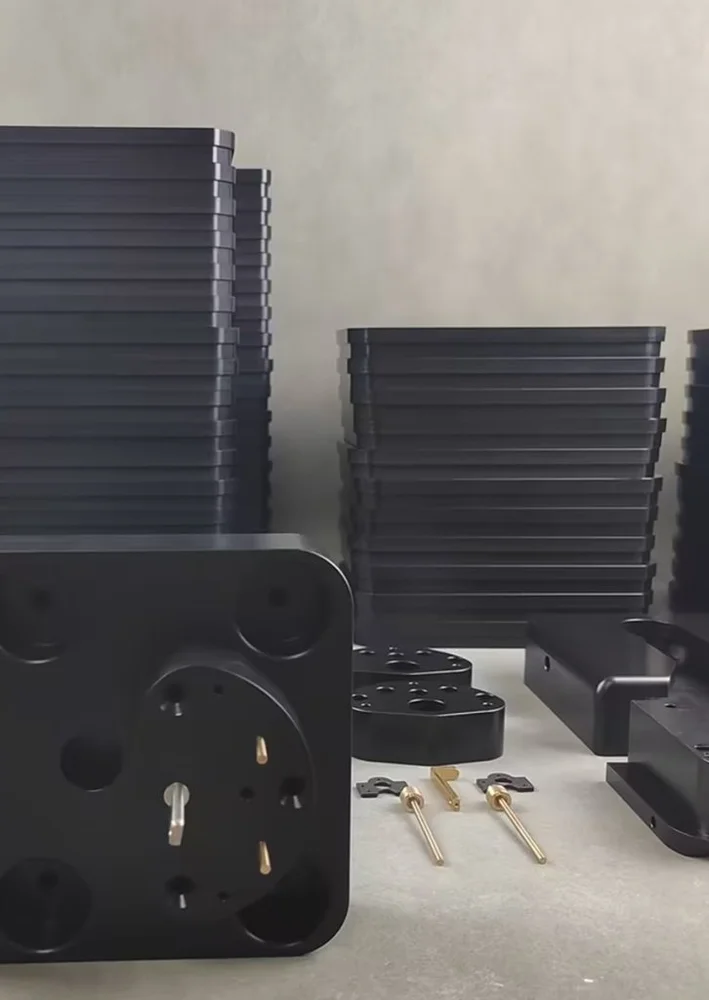
Hollow POM structures around 300mm are extremely prone to deformation during and after machining — standard processes cannot hold tolerance.
Final tolerance of 0.03mm with excellent surface roughness and appearance — no secondary finishing required, at production quantities.
Do you offer parts assembly services?
We machine metal and plastic components in-house and assemble them into finished units — one supplier, one quality standard, one shipment. No coordination across multiple vendors.
Metals & plastics
Aluminium, steel, titanium and engineering plastics machined to the same tight tolerance
In-house assembly
Parts combined and assembled to functional specification before shipment
Special grades
Medical, food-safe, fire-rated, and high-dielectric materials available
Prototype to series
Same assembly process from first prototype through to volume production