Vacuum Casting
Three casting processes for prototypes and small-series parts — single cast, overmoulding, and multi-material 2K/3K casting from silicone moulds.
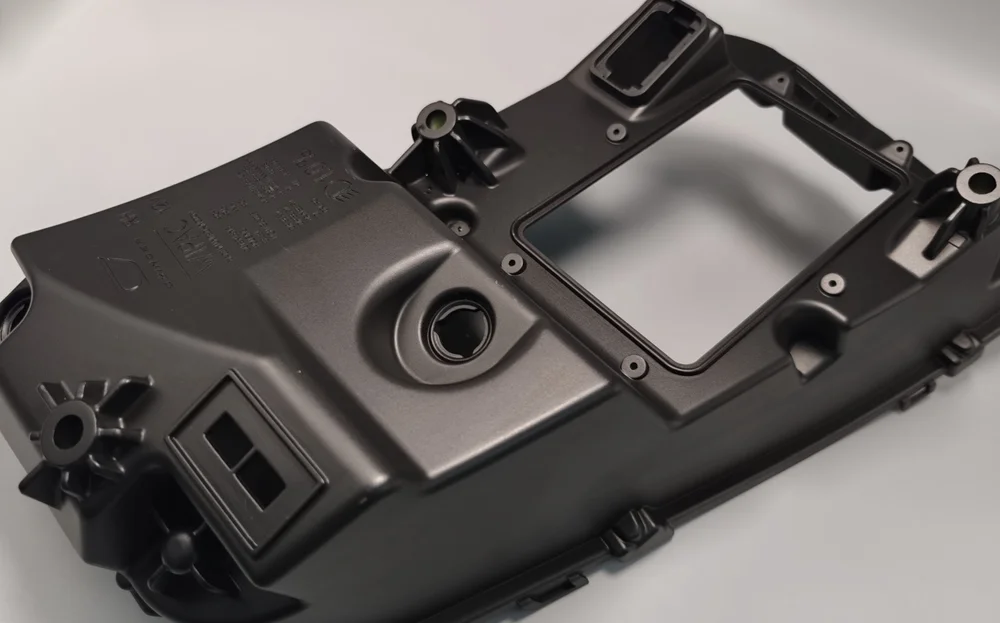
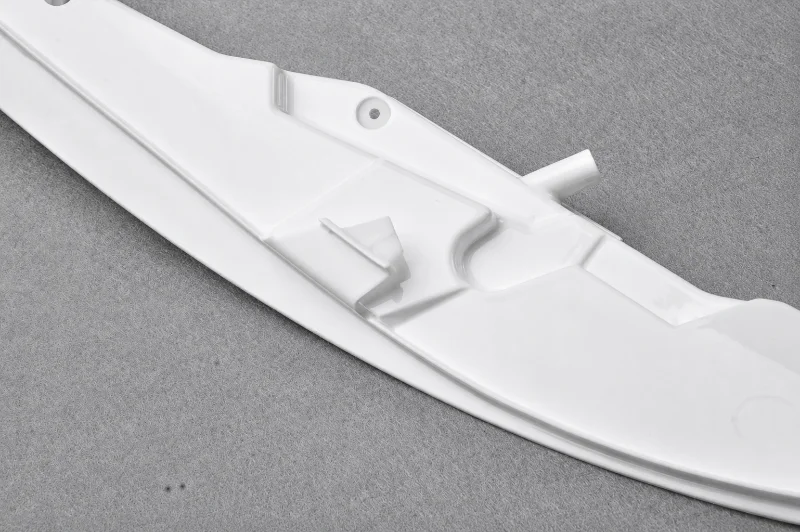
One material, one mould
A silicone mould is taken from a master model — typically CNC machined or 3D printed — and used to cast parts in a single polyurethane material. The result is production-quality surface finish and functional mechanical properties at a fraction of injection moulding lead time and cost.
Typical quantity: 5–50 parts per mould, depending on material and geometry.
Surface detail: Captures texture, lettering, and fine features directly from the master.
Shrinkage control: Controlled under 3‰ — suitable for functional fit and assembly testing.
Lead time: First parts typically within 7–10 working days from approved master.
Metal inserts: CNC-machined metal parts, threads, or pins can be placed into the mould and cast directly into the PU part.
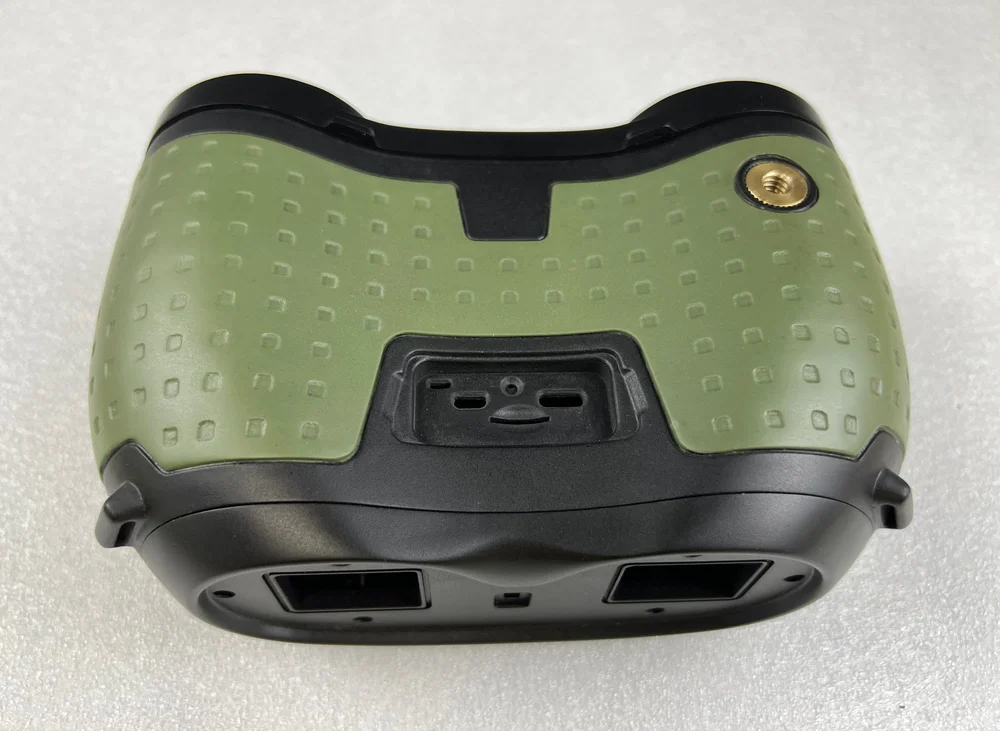
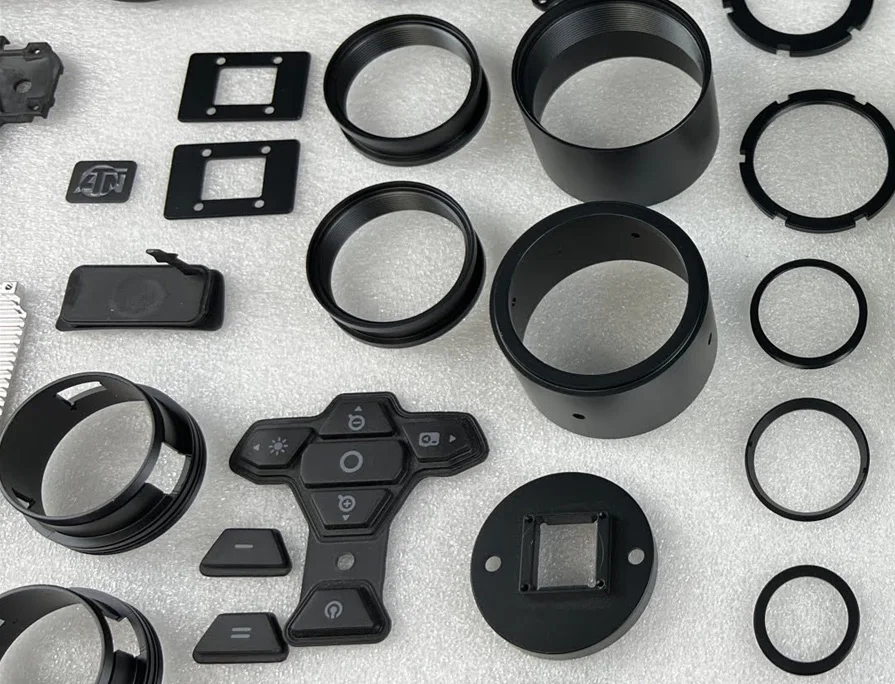
Two materials, two separate moulds
Overmoulding combines two different materials using two separate moulds. The first part is cast in the primary mould, then placed into a second mould where the overmould material is cast over it — creating a single bonded part with distinct material zones.
Rigid substrate with soft-touch overmould — typical for handles, housings, and consumer products
Clear and opaque material combinations for lenses, covers, and light guides
Insert casting: CNC-machined metal parts, threads, pins, or printed circuit boards cast directly into PU parts
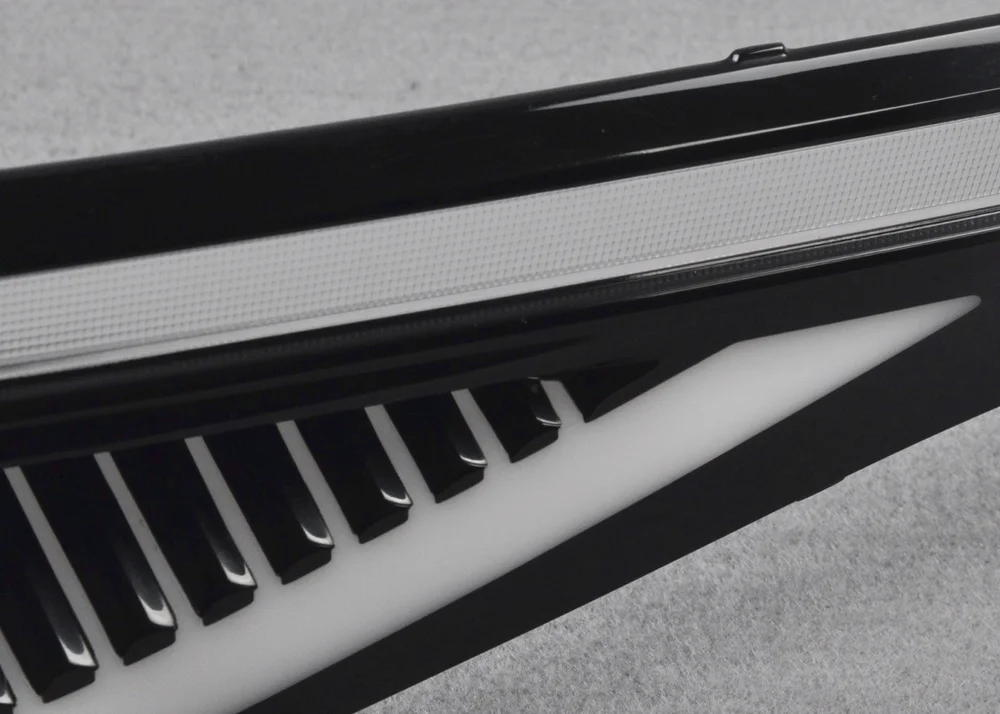
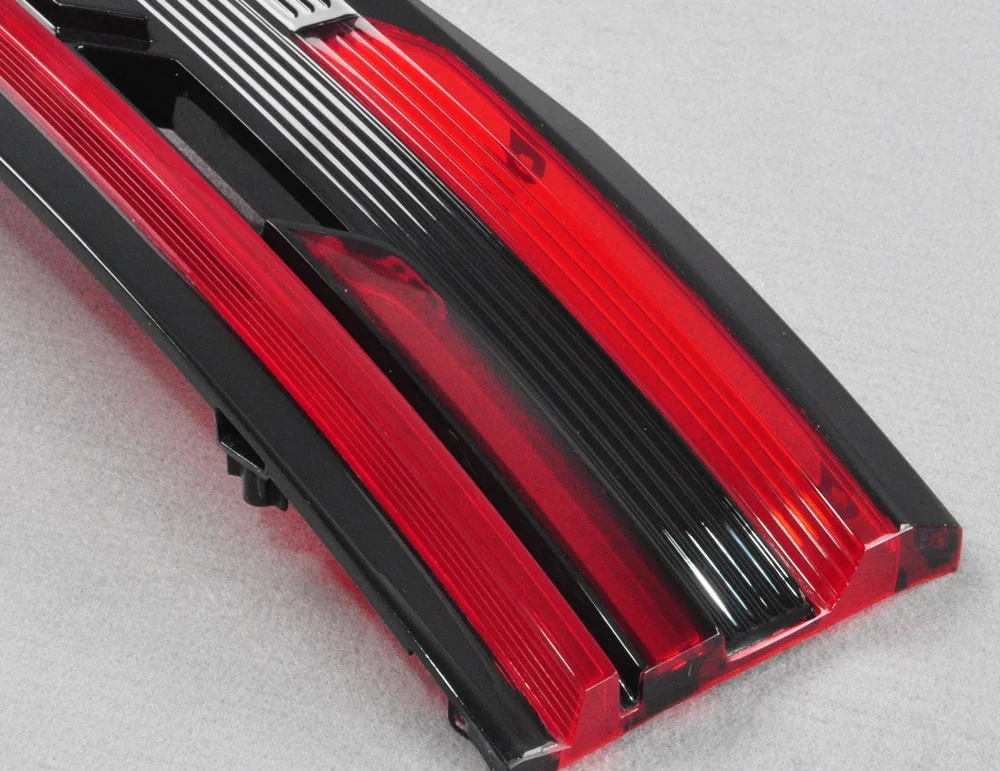
Two or three materials in a single mould
2K and 3K moulding uses a single mould in which the machine injects two or three different materials in sequence. Unlike overmoulding, no part transfer between moulds is required — all materials are cast within one tool, resulting in tighter tolerances and faster cycle times.
2K: Two materials injected within a single mould — rigid/soft combinations or two-colour parts.
3K: Three different materials cast within one mould — for complex multi-material or multi-colour geometries.
Metal inserts: CNC-machined metal parts, threads, or pins can be placed into the mould and cast directly into the part.
Wide material range
Polyurethane systems simulate many production plastics — from rigid ABS-like to flexible rubber-like. Transparent, pigmented, filled, and flame-retardant grades available.
View Full Materials List →The right process for your timeline
Vacuum casting sits between 3D printing and injection moulding — ideal when you need production-quality parts quickly, without committing to hard tooling.
Parts that look and feel like production — for user testing, trade shows, and investor demos.
5–50 parts before or during injection mould tooling — validate design, fill gaps, test market response.
When total demand is too low to justify tooling investment — medical devices, industrial instruments.